
Garden Waste Skip Hire in Torbay
Garden clearance often produces a mix of green waste, soil and heavier materials. A skip can be a practical way to manage the volume, but the right size and waste type matter. Tell us what type of garden waste you have — including any soil or heavy materials — and we will help you choose.
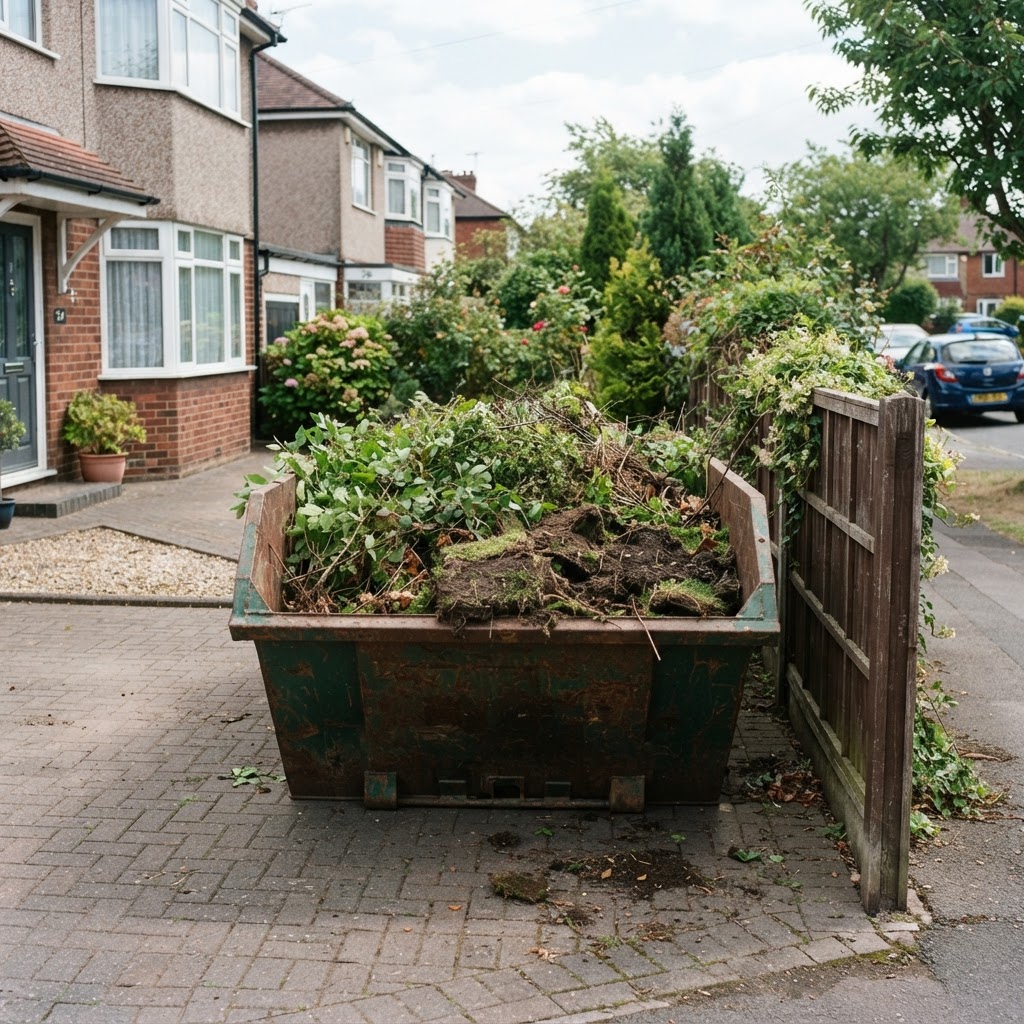
Common garden waste types
Branches and twigs
Prunings from trees and shrubs. Light but bulky.
Leaves
Seasonal leaf fall and green waste.
Shrubs and plants
Removed plants, roots and green cuttings.
Turf
Lifted turf from landscaping. Can be heavy when wet.
Soil
Earth from excavation. Very heavy — may affect skip size and weight limits.
Stones and gravel
Hard landscaping materials. Heavy and may need separate consideration.
Fencing
Old fence panels and posts. Check for treated timber restrictions.
Sheds
Dismantled timber and roofing felt from shed demolition.
Heavy waste restrictions
Soil, turf, stones and gravel are heavy. A skip that looks half-full may already be at its weight limit. If you have significant amounts of soil or heavy materials, tell us — we may recommend a specific skip type, a smaller skip with an exchange, or separate arrangements.
Choosing the right size for garden waste
4-yard
Light pruning, hedge trimmings and small clearances.
6-yard
A medium garden clearance with mixed green waste and some soil.
8-yard
A larger garden clearance including turf, soil and dismantled fencing or sheds.
These are general suggestions. If soil or heavy materials are involved, a smaller skip with an exchange may be more practical than a large skip that exceeds weight limits. Not sure? Tell us what you have and we will help you choose.
Separating specialist materials
Some garden materials may need to be separated from general green waste. Treated timber (such as old fencing or shed panels), painted wood, and contaminated soil may have specific disposal requirements. Invasive plants such as Japanese knotweed may require specialist disposal and should not be placed in a standard skip. Mixed garden and building waste may also need to be handled differently. Always check with us if your garden waste includes non-organic or unusual materials — it is better to check beforehand if you are unsure.